
What NFS Took From This Year's FITSPA Conference

info@neptunefinancialsoftware.com
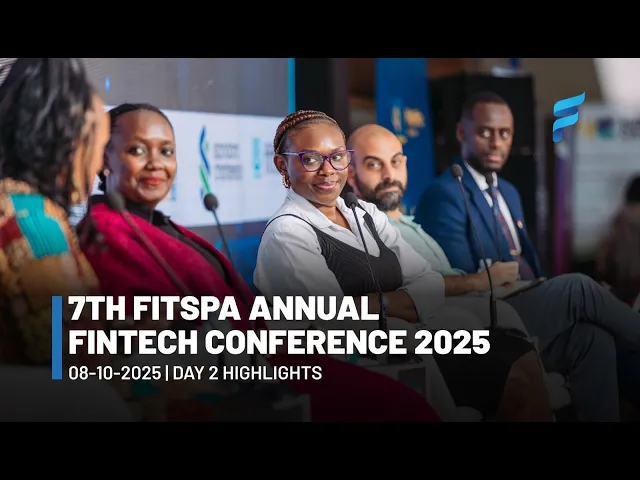
Neptune attended this year's FITSPA Annual Fintech Conference and we have a lot of insights we picked on.
As the financial technology landscape continues to evolve, digital transformation is no longer a technical upgrade. It is a strategic shift that touches governance, customer experience, partnerships, sustainability, and long-term competitiveness. This reality was strongly reflected during the FITSPA Conference held on 7th and 8th October, 2025, where fintech leaders, regulators, banks, and innovators came together to shape conversations about the future of financial services in Uganda.
NFS participated in the conference as part of the company’s ongoing commitment to learning from industry platforms that influence policy, product, and market direction. The insights gathered closely align with Neptune’s ongoing digital transformation journey and further reinforce the company’s design-led approach to fintech innovation.
Governance and Compliance as Strategic Foundations
One of the most consistent messages at FITSPA was that compliance is not a constraint to innovation but its foundation. Speakers emphasized that licensing comes with a responsibility to understand and operate within clearly defined rules. The discussions also highlighted the existing disconnect between fintechs and regulators and the opportunity that lies in bridging this gap through collaboration.

For NFS, this reaffirmed the importance of building governance and regulatory awareness directly into product development processes. Digital transformation must be compliant by design, ensuring that technology, user experience, and policy move together. This approach reduces friction, builds trust with regulators, and accelerates sustainable innovation.
Partnerships and Ecosystem Thinking
The conference placed significant emphasis on partnerships as a growth strategy. Examples from insurance, agriculture, and energy sectors demonstrated how consortium models can solve complex challenges at scale. Fintechs were challenged to move beyond isolated solutions and instead collaborate across industries to deliver greater impact.

These conversations directly resonate with Neptune’s ecosystem-driven mindset. As financial systems become more interconnected through APIs, national payment switches, and shared platforms, value is created through collaboration rather than isolation. Designing interoperable, scalable systems with local context remains a key focus in Neptune’s transformation strategy.
Customer-Centricity in a Platform Economy
Another key takeaway was the shift from institution-centric to customer-centric thinking. Industry leaders consistently stressed that financial services must be designed around customer journeys rather than organizational silos. Uniform experiences across touchpoints, seamless integrations between fintechs and banks, and scalable platforms are no longer differentiators but expectations.

For NFS, this reinforces the role of design as a strategic driver rather than a cosmetic function. Customer obsession is a business strategy that directly affects adoption, support costs, and market competitiveness. Design-led transformation enables financial institutions to reduce friction, improve efficiency, and deliver measurable value to both customers and stakeholders.
Sustainability, ESG, and Responsible Innovation
Sustainability and ESG considerations featured prominently at the conference, with real examples of banks reducing carbon footprints through digitization and renewable energy. Global commitments to sustainable financing further underscored that responsible innovation is increasingly tied to access to capital and long-term viability.

Neptune views this as a call for intentional technology design that supports social, economic, and environmental outcomes. Digital transformation must deliver efficiency while also contributing positively to the communities and markets in which financial institutions operate.
Regulation, Speed, and Trust in Fintech
Discussions around the pace of fintech innovation versus regulatory stability highlighted a fundamental tension within the industry. Fintechs move fast, regulators ensure order, and the interaction between the two defines the sector. Cybersecurity, trust, and continuous audits were identified as essential enablers of safe integration.

These insights reaffirm NFS’ belief that trust is designed, not assumed. Secure architectures, transparent systems, and responsible change management are core to building financial solutions that scale safely in dynamic regulatory environments.
Why Industry Engagement Matters
The FITSPA Conference demonstrated the value of industry platforms that bring together regulators, product leaders, investors, and innovators. For organisations like Neptune, such engagements provide strategic clarity, policy awareness, and market intelligence that directly inform transformation decisions.
As Neptune continues its digital transformation journey, these insights further strengthen its commitment to design-led change, collaborative ecosystems, and customer-centric financial technology. By aligning strategy, design, and governance, Neptune is positioning itself, and its partners, for sustained competitiveness in an increasingly digital financial landscape.